
馬修靈異怪談鬼故(廣東話)
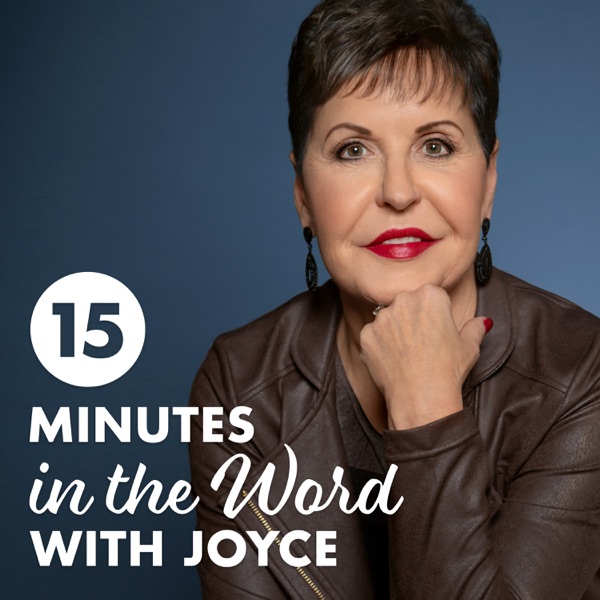
《Joyce Meyer Enjoying Everyday Life® Radio Podcast》是一個專注於基督教實踐神學的每日音頻節目,由知名聖經教師兼暢銷作家喬伊斯·梅爾(Joyce Meyer)主持。該節目的核心宗旨是將聖經的教導轉化為日常生活中可操作的具體建議,旨在幫助聽眾應對各類心理、情緒及精神上的挑戰。
節目的主題涵蓋範疇廣泛,包括但不限於壓力管理、人際關係處理、自我價值的建立、寬恕的實踐,以及如何透過信仰克服過去的創傷。內容通常源自梅爾在全球各地舉辦的公開演講與研討會,並經過重新編輯以符合廣播與數位串流的格式。每一集節目通常聚焦於特定的聖經經文,透過梅爾直率、務實且具備個人風格的敘事方式,將抽象的宗教教義轉化為現代生活的行為指引。
雖然該事工的總部位於美國,但其內容透過多國語言翻譯與分發,在全球多個地區(包括香港)皆有播放。該播客不僅提供靈性上的指導,也與「喬伊斯·梅爾事工」(Joyce Meyer Ministries)下屬的人道救援組織「希望之手」(Hand of Hope)緊密相連,反映出其將信仰轉化為社會服務與國際救助的理念。
對於尋求將基督教價值觀融入日常生活的聽眾而言,該節目提供了一個系統性的平台,透過分析人類心理與信仰的交集,探討如何在繁忙且壓力巨大的現代社會中維持內心的平衡。其內容更新頻率穩定,是全球基督教音頻內容中具有代表性的長壽節目之一。
Spiritual growth isn't always easy—but it's always worth it. Today on 15 Minutes in the Word, Joyce shares how God is shaping you for something greater.
Spiritual growth isn't always easy—but it's always worth it. Today on 15 Minutes in the Word, Joyce shares how God is shaping you for something greater.
Spiritual growth isn't always easy—but it's always worth it. Today on 15 Minutes in the Word, Joyce shares how God is shaping you for something greater.
In this episode of 15 Minutes in the Word, Joyce Meyer explores the distinction between religious legalism and a genuine, intimate relationship with God. Drawing from her series, How to Age Without Getting Old, Meyer discusses how viewing spiritual disciplines as burdensome obligations or rules can strip away joy and prevent true transformation. She emphasizes that believers should not strive for better behavior to earn God's love, but rather respond to His existing love through a willing heart and the power of the Holy Spirit. The teaching further delves into the concept of spiritual transformation, using the metaphor of a caterpillar becoming a butterfly to illustrate how God works privately within individuals. Meyer encourages listeners to seek personal renewal and to use spiritual disciplines like prayer and Bible study not as chores, but as essential nourishment for the soul.
In this episode of 15 Minutes in the Word, Joyce Meyer explores the concept of spiritual growth and the process of being molded into Christ-likeness. Drawing from her personal experiences with God's conviction, she discusses how believers can navigate seasons of change without falling into the traps of guilt or condemnation. The teaching emphasizes the importance of viewing God's correction as an act of love rather than a source of shame. Meyer also addresses the dangers of legalism and the tendency to live under man-made rules and regulations instead of being guided by the Holy Spirit. By examining 2 Corinthians, she encourages listeners to embrace the renewal of their inner selves and to seek personal transformation as a means to handle life's circumstances with greater peace.
In this episode of 15 Minutes in the Word, Joyce Meyer explores the concept of spiritual maturity and the process of divine transformation. Using the metaphor of a teacup being shaped by a potter through heat and pressure, Meyer discusses how God uses life's challenges to refine believers into His representatives on Earth. The teaching emphasizes moving from a mindset of personal demand—asking God for what we want—to a posture of surrender, asking God to make us who He wants us to be. Meyer outlines the characteristics of spiritual maturity, including self-control, consistency, and humility, while encouraging listeners to view aging as an opportunity for inward renewal through disciplined faith.
In this episode of 15 Minutes in the Word, Joyce Meyer discusses her teachings from her book, 'How to Age Without Getting Old.' She emphasizes that while age is merely a number, being old is a mindset influenced by how one lives their life, specifically regarding stress, health, and spiritual alignment. Meyer explores the importance of avoiding the trap of people-pleasing and instead seeking the guidance of the Holy Spirit. She explains how living in accordance with God's will provides the grace and ease necessary to navigate life's challenges without the debilitating stress that accelerates physical and emotional aging.