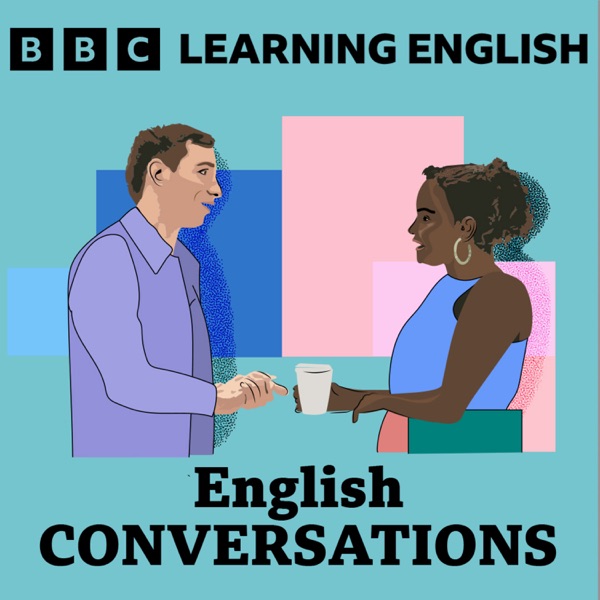

Learning English Conversations

BBC Radio: The English We Speak Podcast

《Learning English Conversations》是由英國廣播公司(BBC)旗下的教育部門 BBC Learning English 所製作的英語教學節目,旨在協助全球非母語學習者掌握道地的日常對話、口語表達及社交技巧。該節目的內容設計以實用性為核心,透過結構化的音檔內容,幫助聽眾在真實生活場景中能更自然且自信地使用英語進行溝通。

節目內容主要由多個特定的教學單元組成。其中,核心單元《The English We Speak》每週定期更新,專門介紹現代英語中最新穎且常用的單詞、片語與慣用語。這些內容往往涵蓋了傳統教科書較少提及的俚語或非正式表達,並透過主持人之間的主題對話,展示這些詞彙在實際語境中的用法與含義。

除了辭彙教學,該節目亦推出針對特定溝通難題的專題系列。例如《Beating Speaking Anxiety》系列,即是從心理與實踐層面切入,提供具體的建議與練習方法,幫助學習者克服開口說英語時的焦慮感,進而提升對話的流暢度。

此节目的製作風格維持了 BBC 一貫的客觀與嚴謹,每集時長精簡,敘事節奏明快,適合聽眾利用碎片時間進行聽力與口語的強化訓練。作為 BBC Learning English 數位資源體系的重要組成部分,該節目為學習者提供了接觸英式英語發音與當代語言趨勢的管道,是提升英語交際能力與語感的專業工具。

00:00
00:00

單集摘要

In this episode of The English We Speak, hosts Feifei and Becca explore the meaning and usage of the idiom 'keep himself to himself'. The discussion clarifies that the phrase describes someone who is private, quiet, or prefers not to socialize extensively, rather than implying they are unfriendly. The program also distinguishes between keeping oneself to oneself and the related expression 'keep something to ourselves', which refers to maintaining a secret.

章節

點擊章節可直接跳轉至該時間點

精彩亮點

If someone keeps themselves to themselves, they don't spend much time socialising with other people.

00:00:48 · The hosts provide the primary definition of the idiom being discussed.

And with a very different meaning, if we say we keep something to ourselves, it means we're keeping a secret or just aren't sharing it.

00:01:58 · Becca explains the distinction between the idiom for personality and the phrase used for secrets.

單集

1241-

The English We Speak: Keep yourself to yourself

In this episode of The English We Speak, hosts Feifei and Becca explore the meaning and usage of the idiom 'keep himself to himself'. The discussion clarifies that the phrase describes someone who is private, quiet, or prefers not to socialize extensively, rather than implying they are unfriendly. The program also distinguishes between keeping oneself to oneself and the related expression 'keep something to ourselves', which refers to maintaining a secret.

04 Aug 2026
1240-

The English We Speak: One size fits all

This episode of The English We Speak explores the origins and various applications of the expression one size fits all. While the phrase originates from clothing that is intended to fit any wearer, the hosts explain how it has evolved into a more general term used to describe standardized approaches to training, problem-solving, or software. The discussion also covers the potential negative connotations of using the phrase to suggest that individual needs are being ignored.

28 Jul 2026
1239-

The English We Speak: Side quest

In this episode of The English We Speak, hosts Feifei and Phil explore the expression 'side quest'. Originally derived from video game terminology to describe secondary tasks, the phrase is used in everyday English to describe getting distracted by something fun or less important than one's main objective. The discussion covers how the term applies to real-life scenarios, such as shopping trips or travel detours. The episode also touches upon related English vocabulary using the word 'side', including 'side dish' and 'side hustle'.

21 Jul 2026
1238-

The English We Speak: Passing Ships

This episode of The English We Speak explores the idiom passing ships, a metaphor used to describe people who have different schedules and experience only brief encounters. The hosts explain the imagery of ships passing in the night and provide practical examples of how to use the expression in daily conversation, such as when discussing busy work lives or family visits. The program also introduces the related phrase cross paths, which describes instances where two people's lives intersect. Listeners will learn how to use these expressions naturally, including variations like removing the word like to create a stronger metaphor.

14 Jul 2026
1237-

The English We Speak: Understood the assignment

In this episode of The English We Speak, hosts Feifei and Georgie explore the modern slang phrase 'understood the assignment'. The discussion breaks down how the expression has evolved from its academic origins to become a way to praise someone for exceeding expectations or performing a task with perfect execution. The hosts provide various real-world examples, ranging from costume parties and restaurant dining to interior design and songwriting. The episode also introduces the related idiom 'go above and beyond' to describe efforts that surpass basic requirements.

07 Jul 2026